
Continuous Glucose Monitors (CGMs) for non-diabetics
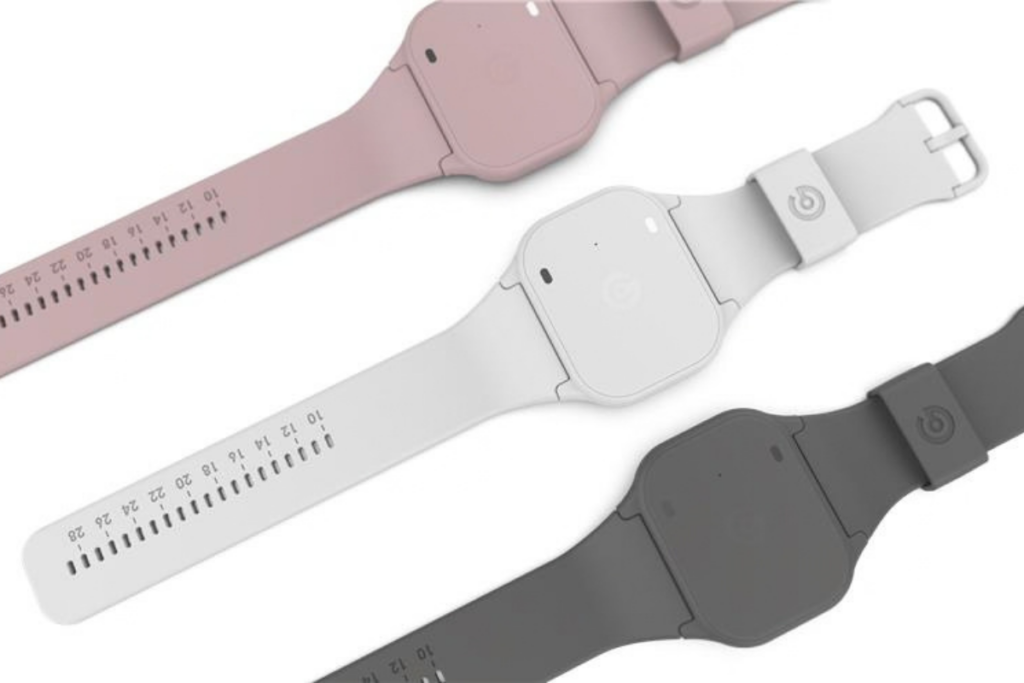
Using cutting edge technology, smartwatches are evolving to help us take care of ourselves with more accuracy and tailored feedback than ever before. Continuous glucose monitoring with Glucowear™ is the next logical step in personal health management.
- Blood Sugar Tracking
- Non-Invasive Sensor
- Determines ‘Time in Range’
CGMs for non-diabetics
Continuous glucose monitoring used to belong solely to people living with diabetes. That is no longer the case. Athletes, fitness enthusiasts, people at risk of type 2 diabetes, and those tracking metabolic health are now wearing CGMs to understand how their body responds to food, exercise, sleep, and stress.
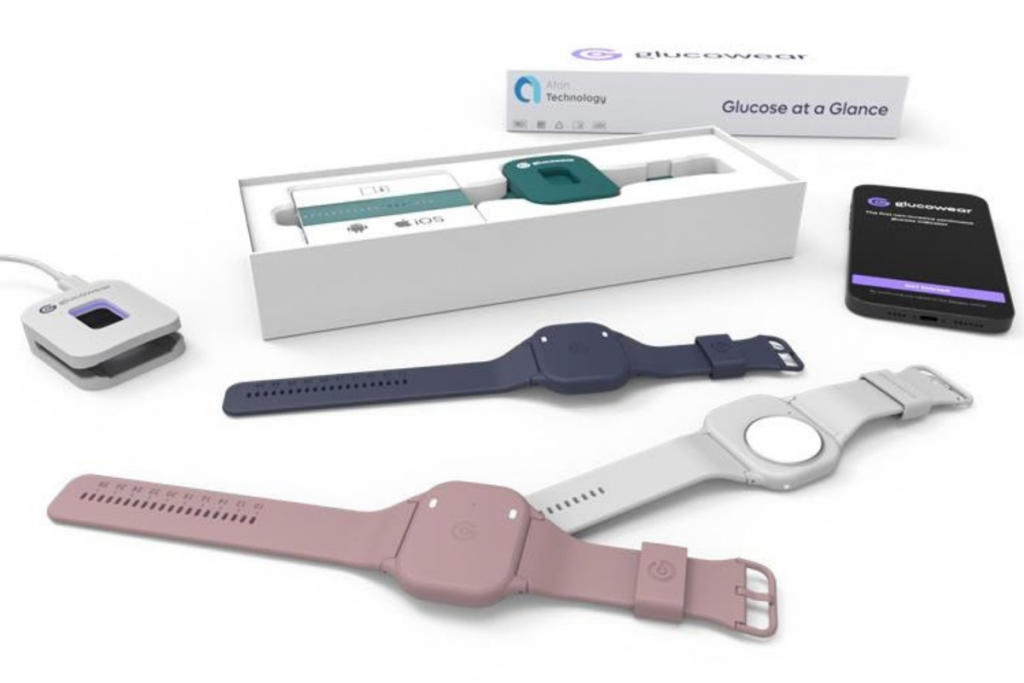
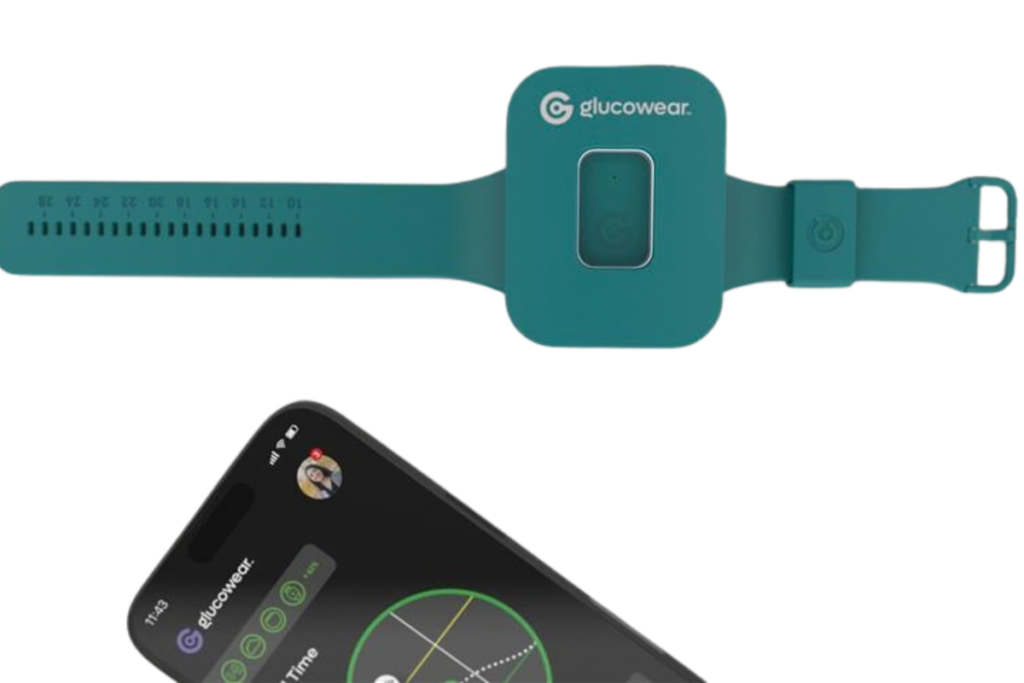
Afon Technology is developing Glucowear™, a non-invasive continuous glucose monitor designed to make this kind of insight accessible to everyone, without the need for needles or sensor insertions.
What a CGM measures and how it works
Many continuous glucose monitors measure glucose in the interstitial fluid that surrounds the cells just beneath the skin. A small filament, inserted through a sensor worn on the upper arm or abdomen, samples this fluid rather than blood itself. Not all CGM’s work this way as there are other ways of measuring glucose levels, including using rf/microwave technology like Glucowear™ does.
Readings are taken at set intervals and sent to paired smart devices such as smartphone apps or smartwatches, producing a continuous trend line rather than a single snapshot. This is the central difference between CGM data and a traditional finger-prick test. A finger-prick gives you one number at one moment in time. A CGM gives you a curve, with all the context that comes with it: the climb after a meal, the dip during exercise, the overnight stability or instability.

Find out about careers at AFON
Why non-diabetics are using CGMs
The use case has shifted. Non-diabetic adults are wearing CGMs for several distinct reasons.
The first is performance optimisation. Endurance athletes and serious recreational sportspeople use real-time glucose data to time fuelling, plan recovery nutrition, and adjust training intensity.
The second is metabolic awareness. People with a family history of type 2 diabetes use a CGM to spot early signs of insulin resistance long before a clinical diagnosis would typically catch it.
The third is dietary insight. Glycaemic responses vary considerably between individuals, and a food that spikes one person’s glucose may have little effect on another’s. A CGM makes that personal variation visible in a way that no food label or generic nutrition guideline can.
The benefits of CGM use for people without diabetes
Wearing a CGM provides ongoing visibility of glucose patterns that would otherwise remain invisible. Four areas tend to deliver the most value for non-diabetic users.
Meal responses. A CGM shows how individual foods and meal combinations affect glucose over the following hours. Two people eating the same meal can show very different responses, and a CGM exposes this personal variation directly.
Exercise effect. Different intensities and durations of exercise affect glucose differently. Resistance training, steady-state cardio, and high-intensity intervals each produce a distinct glucose signature.
Sleep and stress impact. Poor sleep and high stress reliably push glucose upward, even without changes to diet. A CGM makes this connection observable in your own numbers rather than something you read about in research.
Early metabolic warning. Patterns of raised fasting glucose or extended post-meal spikes can indicate early insulin resistance, often before standard blood tests would flag a problem.
Sign up to receive email updates on our progress!

What is metabolism and Metabolic Syndrome?
Metabolism refers to the complex chemical processes that our body goes through to convert food and drinks into energy. Every person’s metabolism is unique to their own body. It is influenced by an individual’s age, sex, genetics, and physical activity.
Metabolism is crucial for creating the energy that supports vital bodily processes like digestion, breathing, managing hormones, repairing cells, regulating body temperature and blood circulation. A healthy metabolism is reflected in your overall body health.
Metabolic Syndrome refers to a group of conditions which increase the risk of type 2 diabetes, heart disease, and stroke. The conditions include high blood pressure, excessive body fat, high cholesterol, and high blood sugar. Having one or more of these conditions doesn’t necessarily mean an individual has Metabolic Syndrome, but they do mean a higher risk of serious illnesses. The more of these conditions one has, the more that risk increases.
Thanks to the advent of smart devices and access to more knowledge, monitoring our health and learning about our bodies has never been easier. Using over the counter test kits and scales we can measure our blood pressure, weight and even cholesterol. However, understanding an individual’s glucose levels is more complicated than performing a single blood test. With a CGM, one can see the patterns of blood sugar spikes and make changes to lower their risk of developing serious diseases like type 2 diabetes.


Choosing the right CGM
For someone new to continuous glucose monitoring, several factors are worth weighing before committing to a particular sensor system.
Sensor wear time matters. Most modern CGMs last 10 to 15 days per sensor, and longer wear times reduce both cost and the inconvenience of replacement. Accuracy varies, particularly during rapid glucose changes such as after a meal or during exercise, and independent accuracy data is published for most CGMs in the form of the mean absolute relative difference (MARD) metric.
The companion app is where most of the day-to-day value sits. Look for clear trend visualisation, the ability to log meals and events, and good data export options. Calibration requirements differ between products, with some requiring periodic finger-prick calibration and others arriving factory-calibrated. For non-diabetic users seeking a low-friction experience, factory calibration is usually preferable.
Cost is the final consideration. Pricing varies considerably depending on country, prescription status, and subscription model, so budget for ongoing sensor costs rather than just the initial purchase.
Afon Technology is taking a different approach to all of these factors. Glucowear™ is being developed as a fully non-invasive CGM, removing the need for sensor insertion entirely.
Sign up to receive email updates on our progress!
Frequently Asked Questions
Yes, anyone with the right equipment can measure their glucose levels and make health-related choices based off their unique readings.
Yes. Several CGMs are available over the counter in the United States, and a growing number of CGMs can be purchased privately in the UK and in some other global markets without a diabetes diagnosis.
A CGM is the least invasive way to measure glucose levels, but the most accurate readings come from testing blood, usually through pricking a finger with a lancet, and using a meter to check the results. Checking blood glucose levels is essential for people with diabetes but for non-diabetics, blood testing is not necessary.
Monitoring glucose presents individuals with valuable data on glucose trends and patterns, giving non-diabetics a clearer picture of how their bodies respond to various stimuli. By understanding these responses, individuals can optimise their diet, exercise, and other habits to maintain stable glucose levels, which is crucial for metabolic health. Stable glucose levels can help reduce the risk of developing insulin resistance, obesity, and other metabolic related illnesses over time.
For many users, two to four weeks of CGM data provides enough insight into personal glucose responses to inform long-term dietary and lifestyle decisions. Whether continuous long-term wear is worthwhile depends on individual goals.
Yes, it is generally safe for non-diabetics to use a CGM. However, it is recommended to consult with a healthcare provider before starting any new health-tracking device. CGMs have been found to be a useful tool for those looking to gain a deeper understanding of their glucose levels and overall metabolic health. By providing real-time data, a CGM can empower non-diabetics to make healthier lifestyle choices.
That said, if you are worried about a health issue you have, or your family medical history concerns you, it’s best to speak with your healthcare provider before making any lifestyle changes.
Prices vary by market and product, but most non-prescription CGMs designed for general consumers range from approximately £40 to £100 per sensor, with each sensor lasting around two weeks of wear.

