
Five years ago, a continuous glucose monitor on the arm of a marathon runner would have looked out of place. Today, it is becoming part of the kit. CGMs are no longer purely the preserve of people living with diabetes, and that raises a fair question for anyone curious about wearing one: is it worth it if you don’t have diabetes?
The short answer is that, for a growing number of people, yes. Athletes, those with a family history of type 2 diabetes, and people tracking their metabolic health are all finding genuine value in continuous glucose data.
As pioneers of the world’s first non-invasive CGM Glucowear™, in this article we share what a CGM actually measures, who is wearing them and why, what the data tells you in practice, and how to choose one if you decide to try it.
What a CGM actually measures
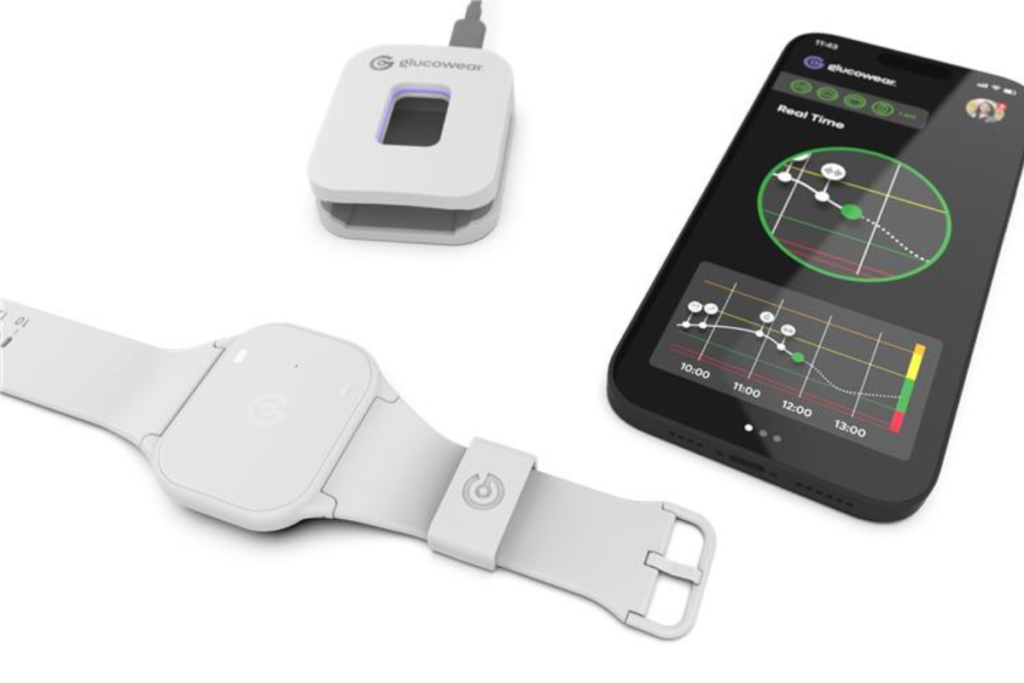
Most continuous glucose monitors sample the interstitial fluid that surrounds the cells just beneath your skin, rather than measuring blood directly. A small filament, worn via a sensor on the upper arm or abdomen, takes a reading every few minutes and sends it to a paired smartphone app.
The result is a continuous picture that users can identify patterns and trends in. This is different to finger-prick tests that only give you a snapshot. Meals, workouts, stress, and sleep all leave a visible signature which means you can start to see the cause-and-effect relationships in your own physiology rather than relying on general advice.
For readers who want a deeper look at how glucose regulation works in the body, our diabetes information page is a basic guide.

Who is wearing CGMs, and why
Three groups seem to be driving the growth in non-diabetic CGM use.
The first group is athletes and endurance enthusiasts. Runners, cyclists, and triathletes use real-time glucose data to fine-tune fuelling during long sessions, time carbohydrate intake around training, and assess recovery. For endurance athletes whose performance depends on consistent fuel delivery, the data has practical day-to-day value.
The second group is people at increased risk of type 2 diabetes. A family history, an HbA1c sitting in the prediabetic range, or visible signs of insulin resistance can all push someone to look at their glucose patterns directly. Catching early dysregulation is far easier when you can see the trend in real time than when you are relying on annual blood tests.
The third group of health trackers is broader. Whether for metabolic insights or a general health and wellness perspective, these users are wearing CGMs simply to learn how their own body responds to food, sleep, and lifestyle inputs. The growing popularity of metabolic health among the wider wellness community has driven a wave of interest from people without any clinical reason to monitor their glucose.
The common thread across all three groups is the same desire to make a hidden variable visible.
What the data actually tells you
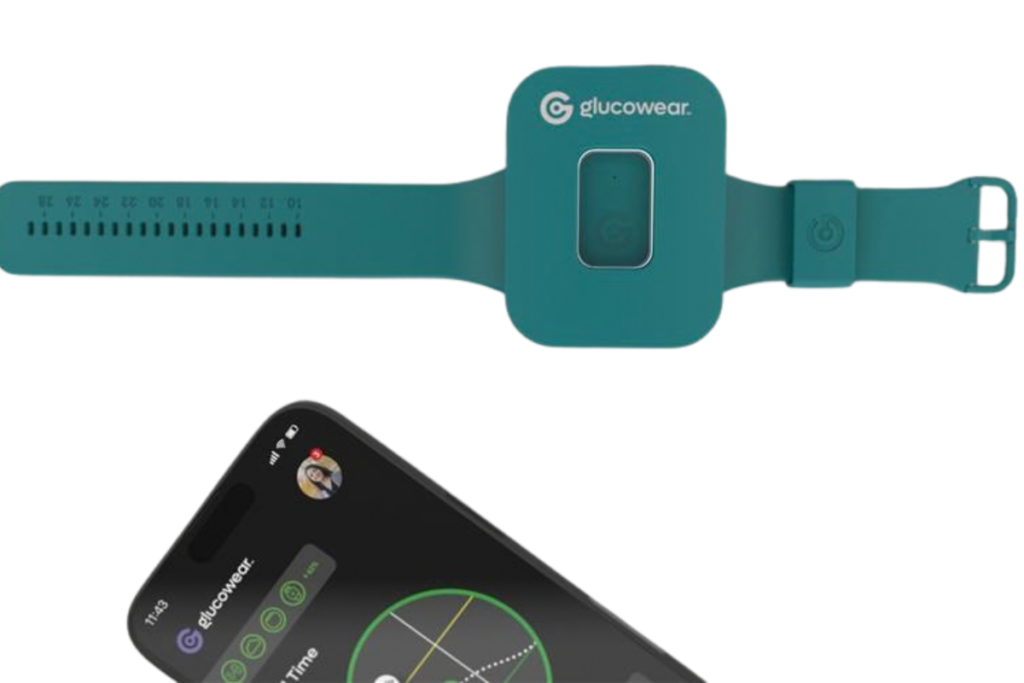
The first two weeks of wearing a CGM are usually the most revealing. Patterns emerge quickly, and most users find at least one assumption about their own diet or routine challenged.
Personal food responses. Two people eating the same bowl of porridge can show very different glucose responses. A CGM shows you yours. Foods that you assumed were neutral sometimes produce sharp spikes, and foods you thought would spike you sometimes don’t. Personal glycaemic response is one of the most consistently surprising insights for new CGM users.
The shape of exercise. Different types of training produce different glucose signatures. Steady-state cardio tends to gradually lower glucose. High-intensity work can briefly raise it through the action of stress hormones. Resistance training sits somewhere in between. Seeing these patterns in your own data helps you understand how your body uses fuel and what to eat around training sessions.
The cost of poor sleep. A single night of broken sleep can increase insulin resistance in both diabetics and non-diabetics, and a lack of sleep makes glucose levels harder to control for people with diabetes. Using a CGM to witness this effect in your own numbers is more persuasive than reading about it.
Stress as a glucose driver. Stress raises glucose, often more than people expect. A difficult meeting, a poor night, or a heavy training session can all push glucose upward independently of food intake. Once you have seen it on the trend line a few times, it is hard to ignore.
How to choose a CGM if you decide to try one
If you have decided to try a CGM, four practical factors matter most.
Sensor wear time is the first. Most consumer CGMs last 10 to 15 days per sensor, and longer wear time reduces both cost and inconvenience. App quality is the second. The companion app is where most of the value sits, so look for clean trend visualisation, the ability to log meals and events, and good data export options if you want to share readings with a coach or clinician.
Calibration is the third consideration. Some sensors are factory-calibrated and ready to use immediately. Others require finger-prick calibration. For most non-diabetic users, factory calibration is the simpler choice. Cost per month is the fourth, and the ongoing sensor cost matters more than the upfront purchase. Budget for two to three sensors per month if you plan to wear one continuously.
For a more detailed look at how to choose a CGM and what is available without a diabetes diagnosis, see our CGMs for non-diabetics page.
Where Glucowear fits in
The CGMs available today still rely on a sensor filament inserted through the skin. For many people, that is an acceptable trade-off for the insight they gain. For others, the prospect of wearing a needle-based sensor is what has held them back from trying continuous monitoring at all.
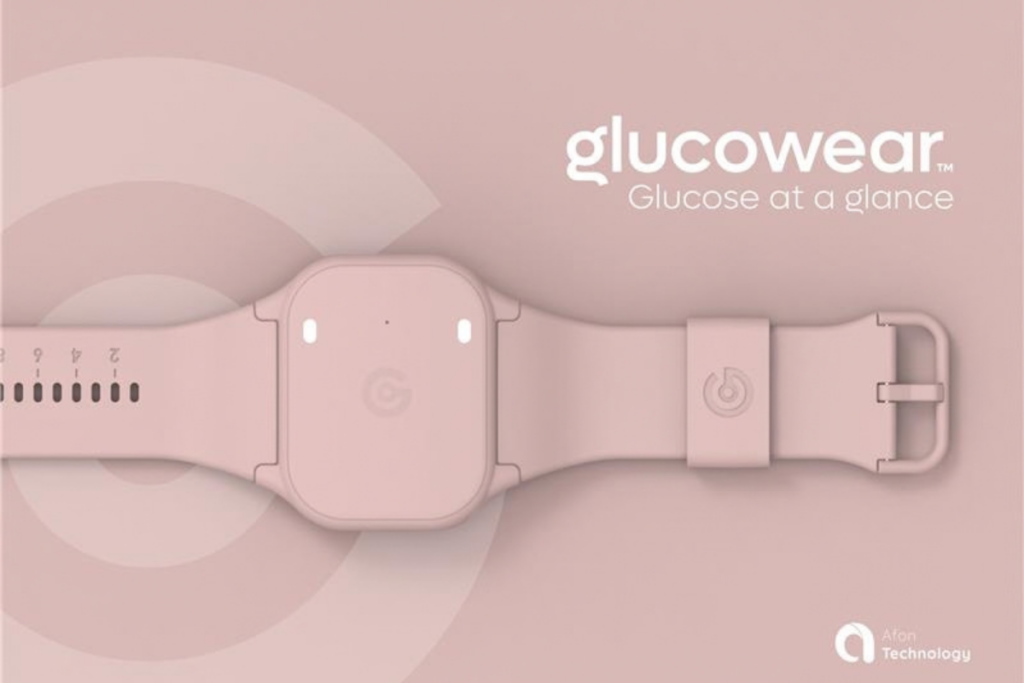
Our award-winning team of scientists are developing Glucowear, a fully non-invasive wearable that continuously measures glucose without breaking the skin. The goal is to make continuous glucose data available to anyone who wants it, without the discomfort, sensor insertion, or replacement cycles that current CGM devices require. Primarily designed for individuals with type 2 non-insulin dependent diabetes we aim to expand Glucowear™ to people with type 1, type 3c, gestational and latent autoimmune diabetes, as well as to prediabetics and athletes monitoring performance-related glucose changes.
Glucowear is still in development and not yet available for sale. You can follow its progress through Afon’s news and articles and the Technology Talks podcast, where the team discusses both Glucowear and the wider diabetes technology landscape.
A pain-free future for glucose monitoring
The case for non-diabetic CGM use is no longer hypothetical. People are wearing them, and they are learning something useful about their own bodies. The barriers that remain, including cost, sensor insertion, sensor adhesion problems, and the cycle of replacement, are exactly the problems that the next generation of monitoring technology is working to solve.
