
Nearly two-thirds of people living with diabetes say they use continuous glucose monitoring technology, a new poll has revealed.
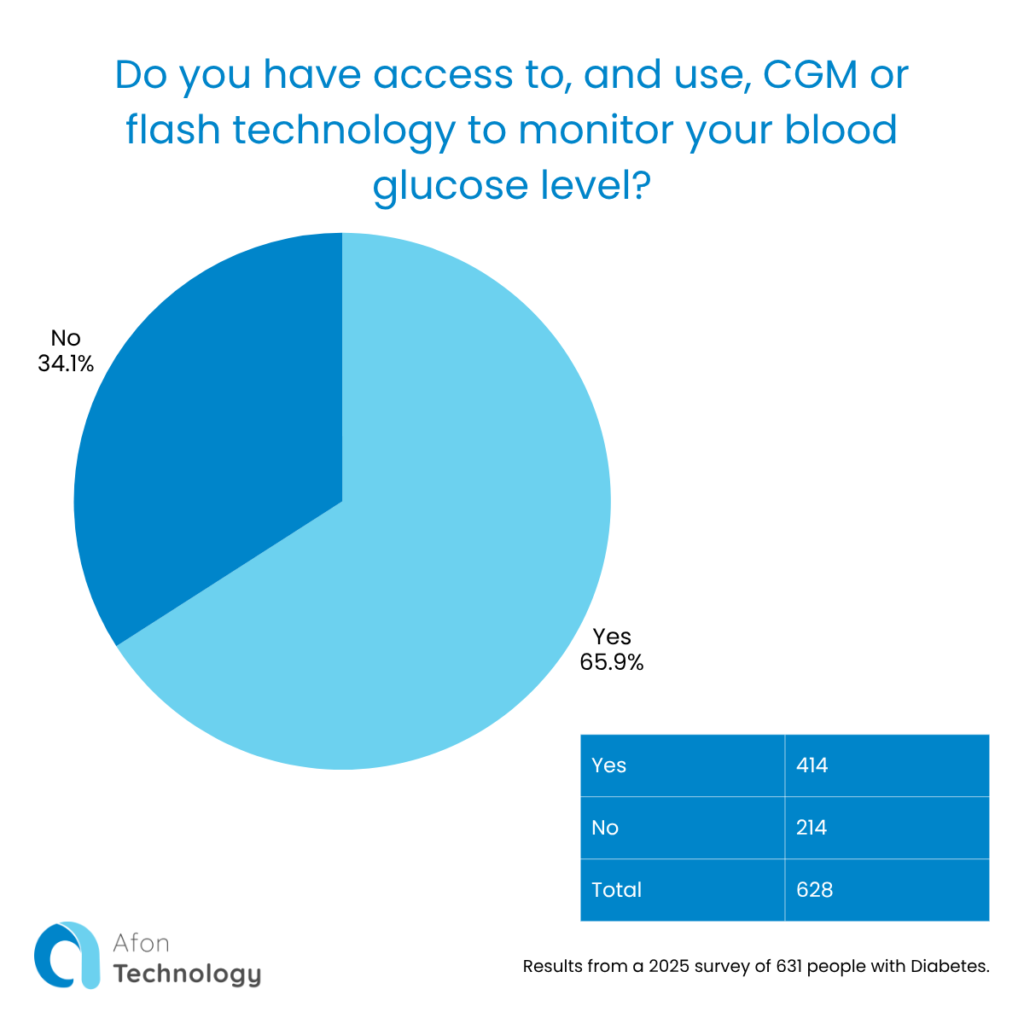
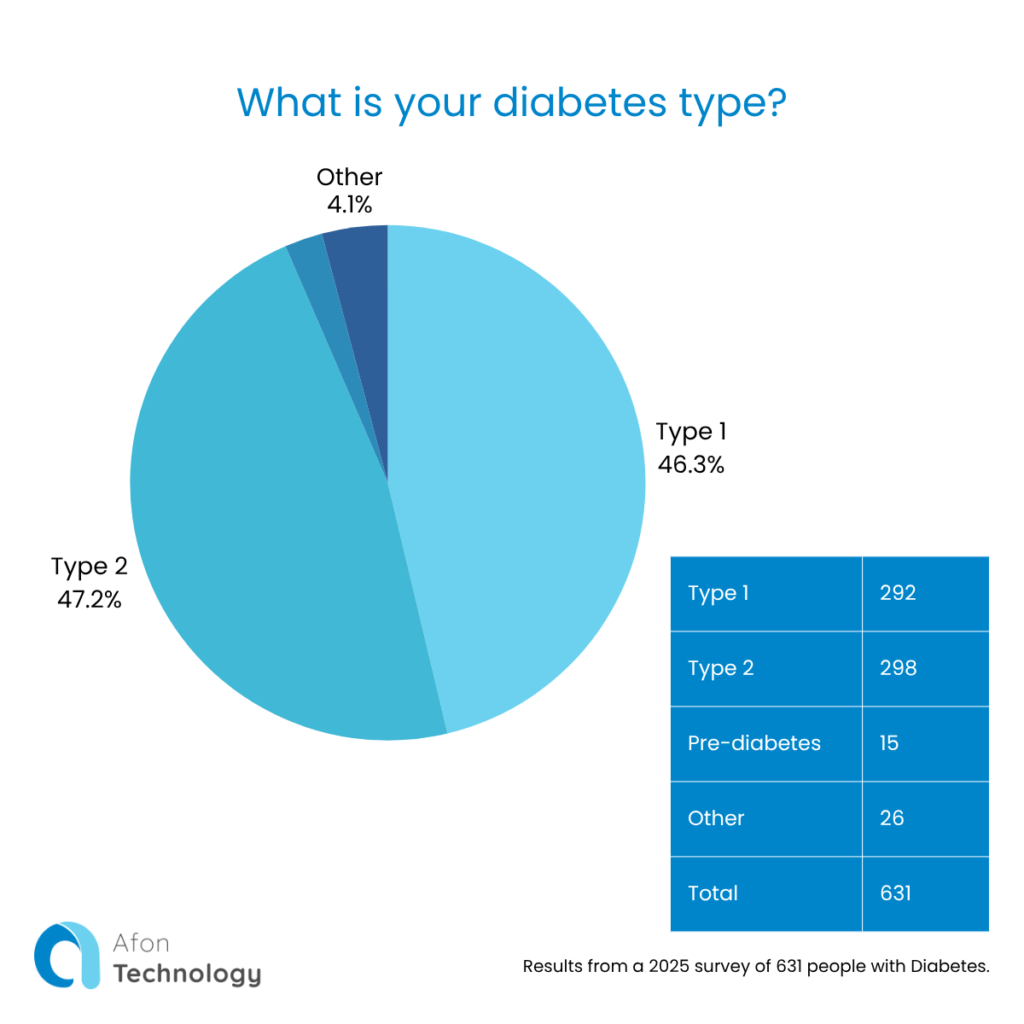
Afon Technology’s ‘Living with Diabetes Survey 2025’ gathered responses from 631 people with diabetes and has shown that 65.9 per cent currently have access to a continuous glucose monitor (CGM).
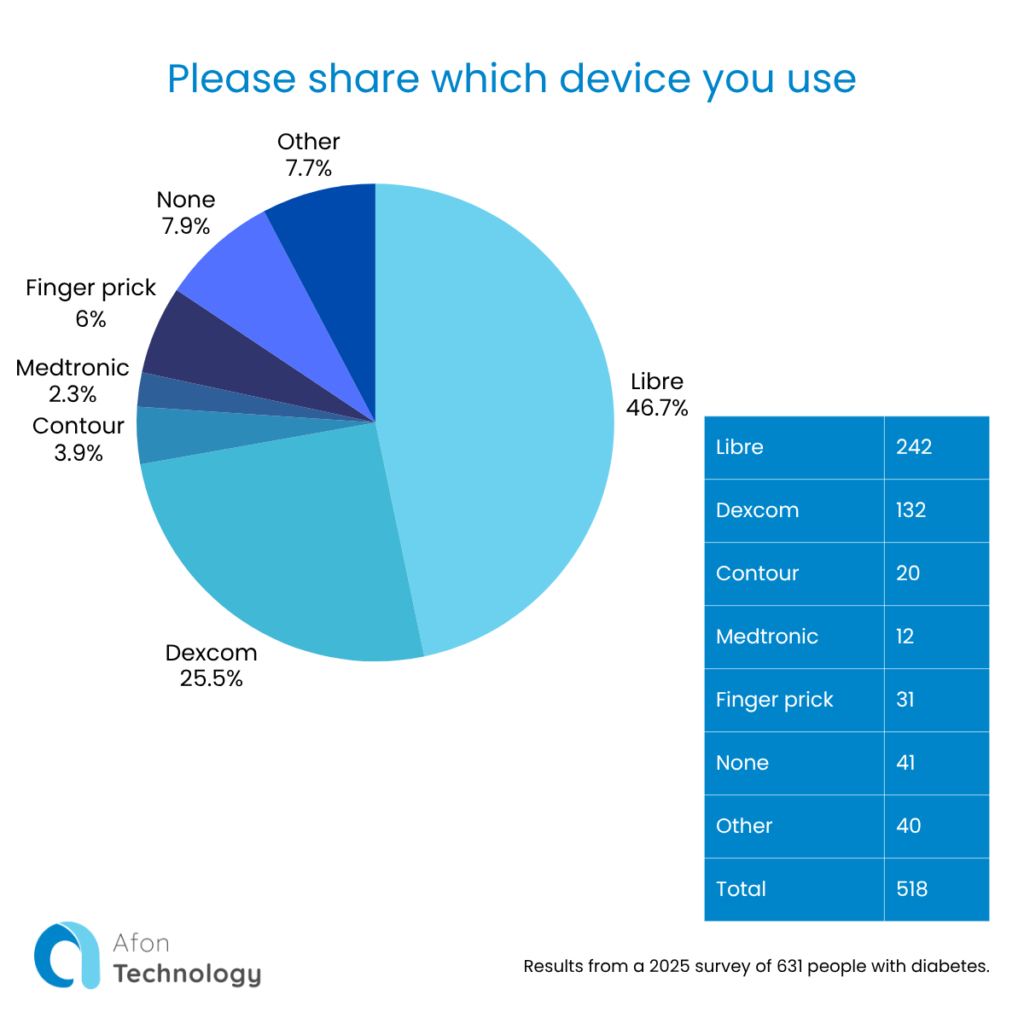
Among users, FreeStyle Libre was the most commonly used device, reported by 242 respondents, followed by Dexcom’s CGM, which was used by 132 respondents.
Some people choose not to use a CGM because they get in the way, are inconvenient when exercising, are unpractical and too expensive.
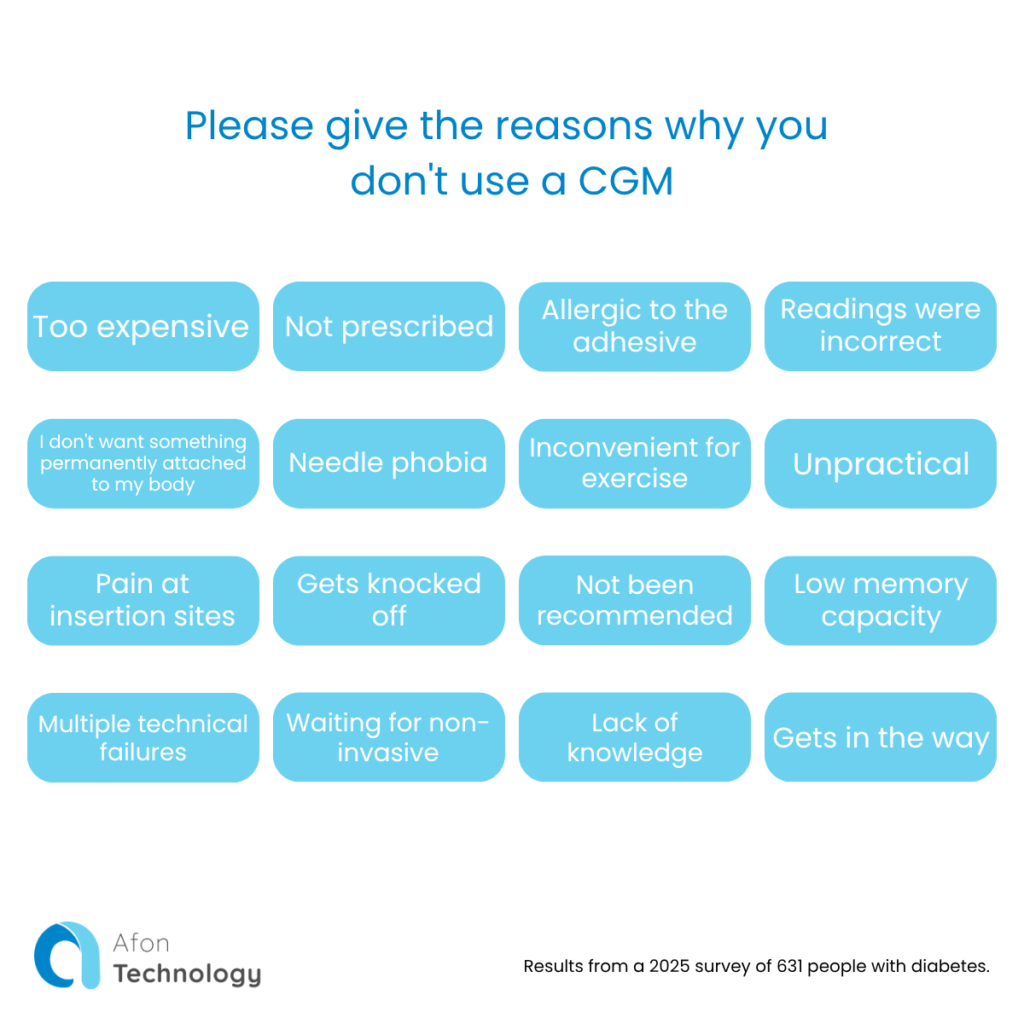
The poll also found that some individuals are delaying use of CGM technology while they wait for non-invasive alternatives to become available.
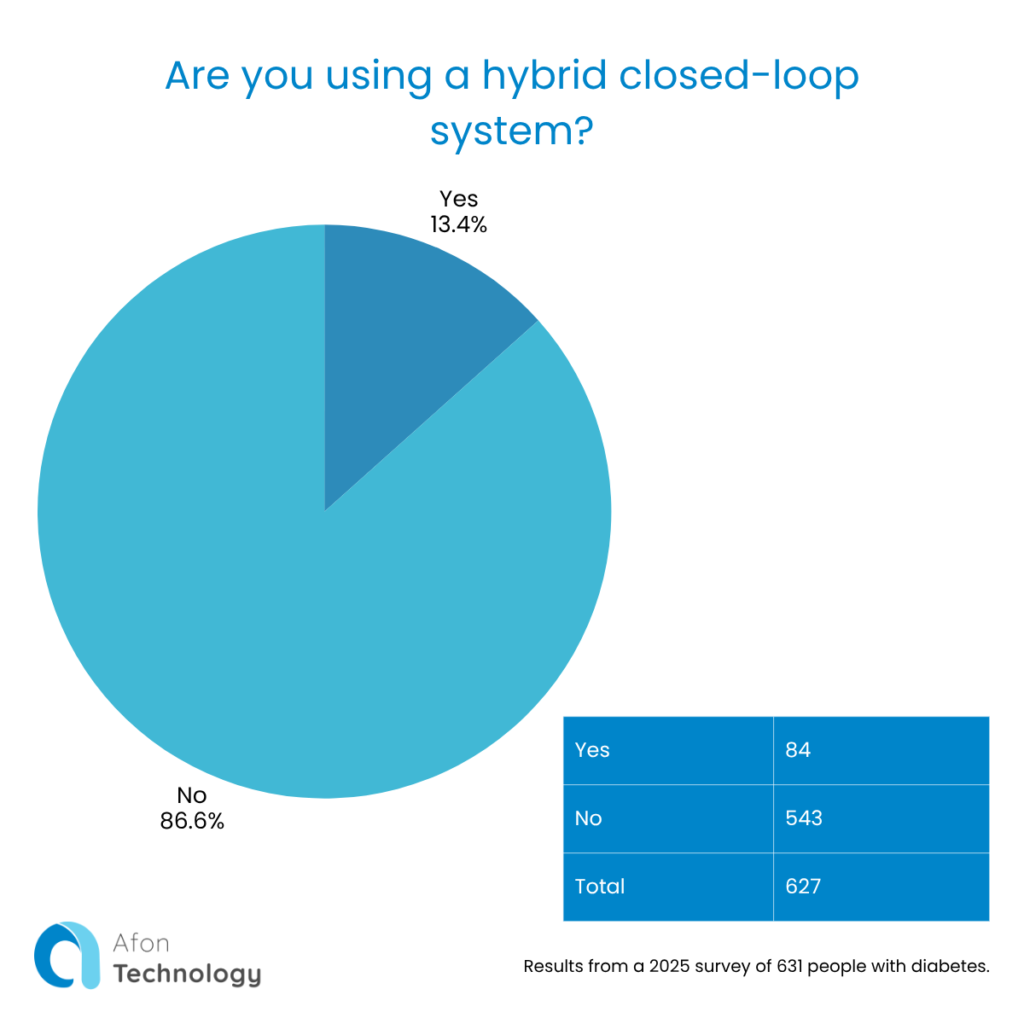
Meanwhile, the findings have highlighted that more than 85 per cent of those surveyed are not using a hybrid closed-loop system.
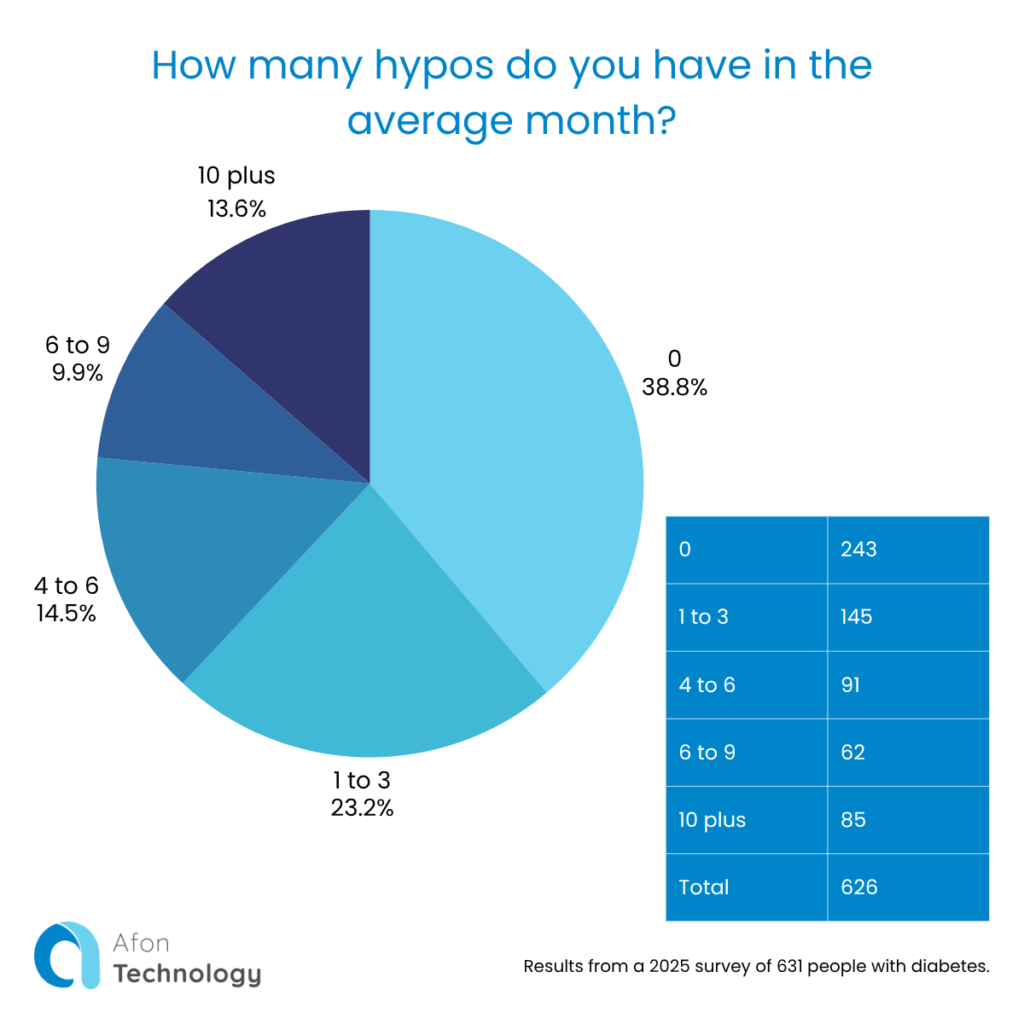
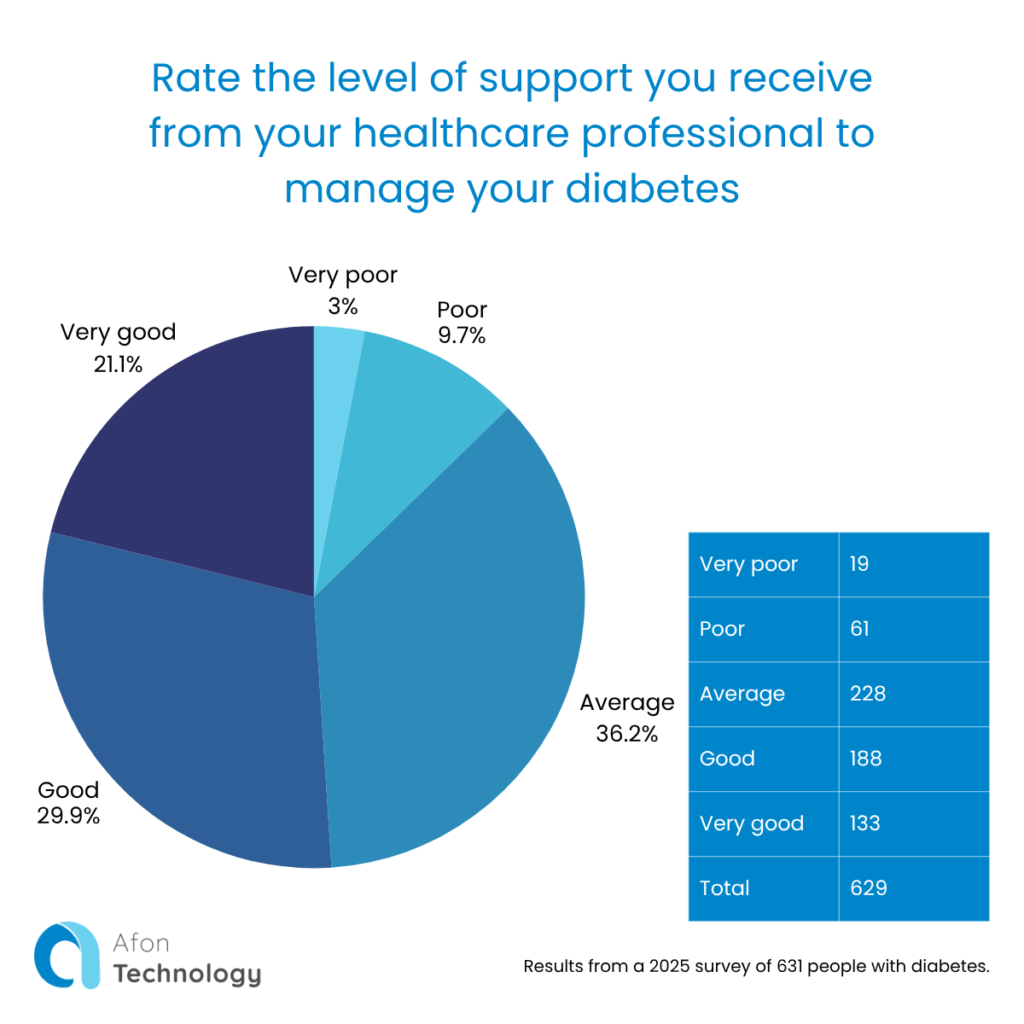
Other key insights from the survey include that nearly a quarter of participants experience at least one hypo each month, and 36.2 per cent are receiving only average support from a healthcare professional in managing their diabetes.
Sabih Chaudhry, CEO of Afon Technology, said: “The survey highlights how CGM technology is becoming an essential tool for people managing diabetes, yet it also shows there is room to improve accessibility and support.
“While many are benefiting from real-time glucose insights, a significant number are still navigating challenges with devices or waiting for new innovations, underlining the importance of continued advancements and personalised care.”
Building on a successful response in 2023, the survey returned to gather further insights and continue amplifying the voices of people living with diabetes.
Scientists at the Monmouthshire-based tech firm are creating the world’s first non-invasive wearable blood glucose sensor, which is tipped to completely transform the lives of those with diabetes by removing needles from the process of monitoring blood sugar levels.
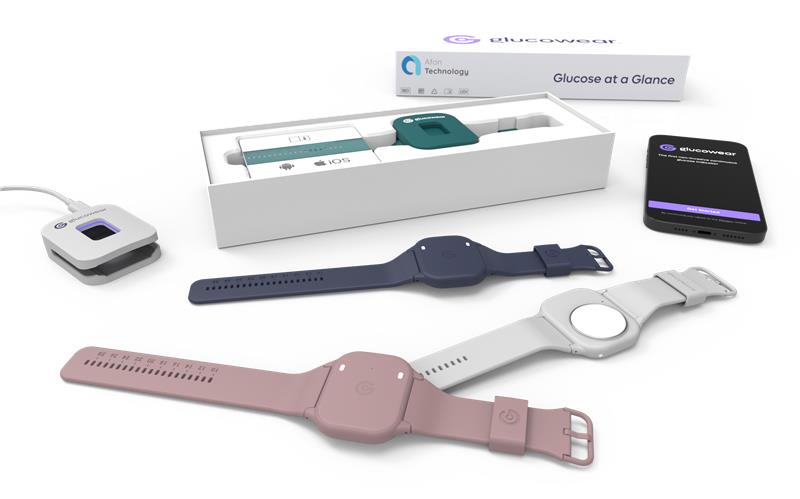
The sensor sits on the inside of your wrist and uses Bluetooth technology to send real-time information to a companion app which will display your blood glucose trends and alert you to high/low glucose levels as well as personal health trends.
Sabih added: “At Afon Technology, we are driven by a simple goal: to make managing blood glucose easier and less reliant on needles.
“We are moving towards a future where checking glucose levels does not disrupt daily life. By spotting low blood sugar quickly and reliably, we want to help people avoid hypos and enjoy a smoother, more independent approach to diabetes care.”
Non-invasive blood glucose monitoring is the ‘holy grail’ in the world of diabetes and as of yet no one has been able to crack it.
Currently, there are 537 million adults globally living with diabetes. Evidence has shown that the NHS spends £10 billion per year on diabetes, with NHS Wales spending £500 million each year on the condition.
Unlike the current continuous glucose monitoring devices, Afon Technology’s sensor Glucowear™ will measure blood glucose levels in real-time without the need to penetrate the skin at all, making it easier to manage the condition, reducing the risk of diabetes-related complications such as heart attack, stroke, blindness, kidney failure and limb amputations.
Companies such as Apple, Samsung and Google are rumoured to have been trying to develop non-invasive blood glucose monitoring, but so far none have been successful. Afon Technology hopes to win the race to this important milestone.
Preliminary clinical research gives people with diabetes hope that such a device could become a reality in the near future.
